8 hr 30 min
North Zealand Castles & Roskilde Cathedral Day Trip
- Expert local guide
- Small group
- Skip-the-line access
- Free cancellation
Viking Ship Museum Roskilde — Five Original Vessels & Maritime Heritage
Walk among oak-built longships, watch boat-builders at work on the fjord
Compare fares, pick the fit — all bookings are mobile-voucher and eligible for free cancellation where shown.
8 hr 30 min
120 hr
9 hr
| Experience | Duration | Rating | Transfers | Pickup | Skip-the-line | Free cancel. | Price | |
|---|---|---|---|---|---|---|---|---|
|
Guided Experience
Most popular
North Zealand Castles & Roskilde Cathedral Day Trip
|
8 hr 30 min | ★ 4.9 | ✓ | ✓ | ✓ | ✓ | €185 | Book → |
|
Premium Combo
Copenhagen Card-Discover: All-Access City Pass
|
120 hr | ★ 4.6 | ✓ | — | — | ✓ | €79 | Book → |
|
Guided Experience
Danish Heritage Day Tour: Cathedral, Vikings & Renaissance Palace
|
9 hr | ★ 5.0 | — | ✓ | ✓ | ✓ | €154 | Book → |
Worth it for history enthusiasts and maritime fans
The Viking Ship Museum Roskilde delivers genuine archaeological value: five original Viking vessels recovered from Roskilde Fjord form the core collection, each representing a different ship type from the 11th century. At 130 DKK in winter (165 DKK summer), you're paying for access to rare maritime artifacts and an active boatyard where craftspeople build replica longships using medieval techniques. The hands-on boatyard experience separates this from static museum displays—you can watch shipwrights at work and board full-scale reconstructions. For anyone interested in Norse seafaring or experimental archaeology, the combination of original wrecks and living craftsmanship justifies the ticket price. Casual visitors may find the collection smaller than expected; the museum island focuses on depth rather than breadth, and you'll spend 90 minutes to two hours exploring both indoor halls and outdoor exhibits.
Bottom line: The museum's authenticity—original vessels paired with working craftsmanship—makes viking ship museum roskilde a worthwhile stop for anyone drawn to Norse maritime heritage.
Hand-picked experiences loved by thousands of travelers
9–10.5 hours
Free Cancellation
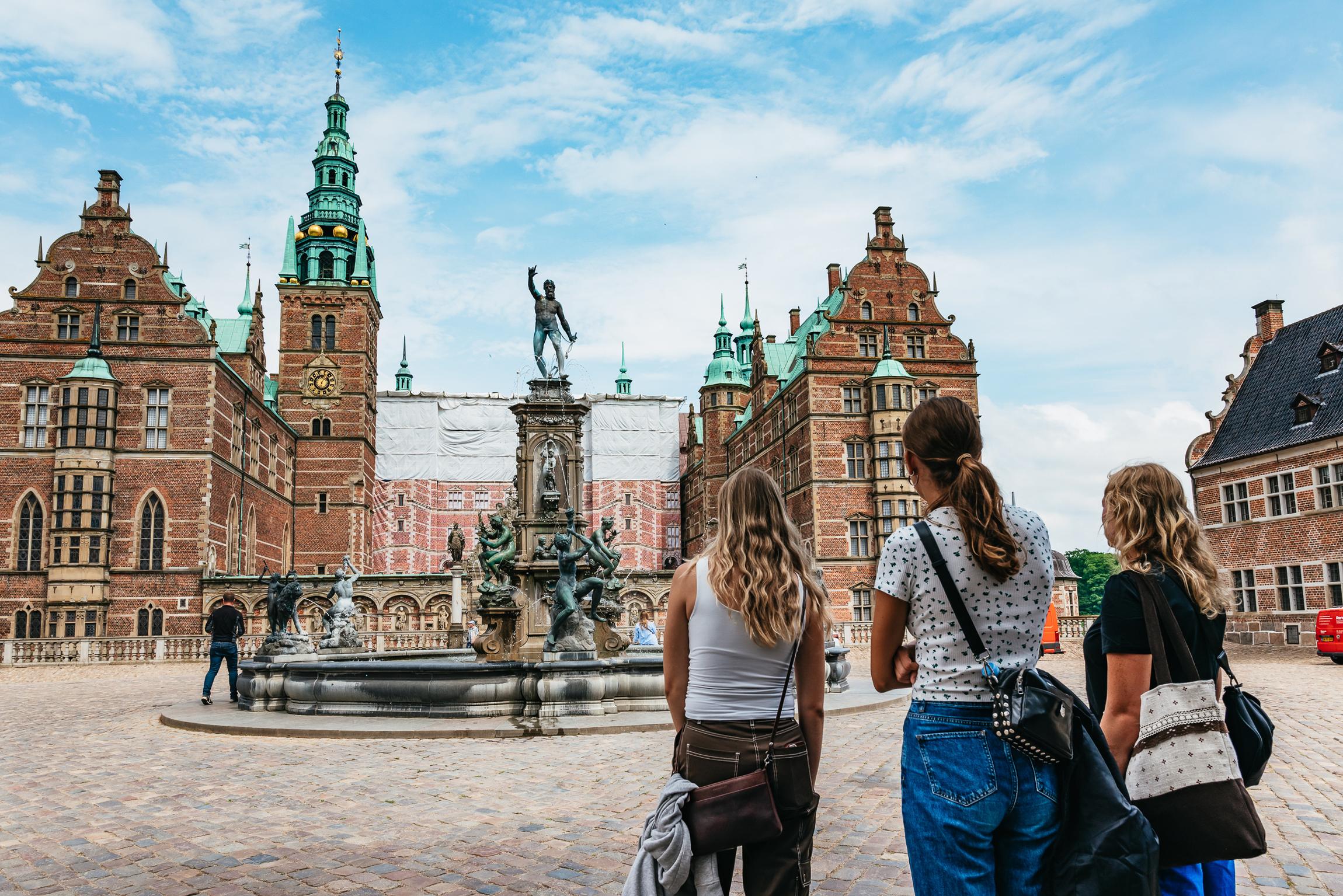
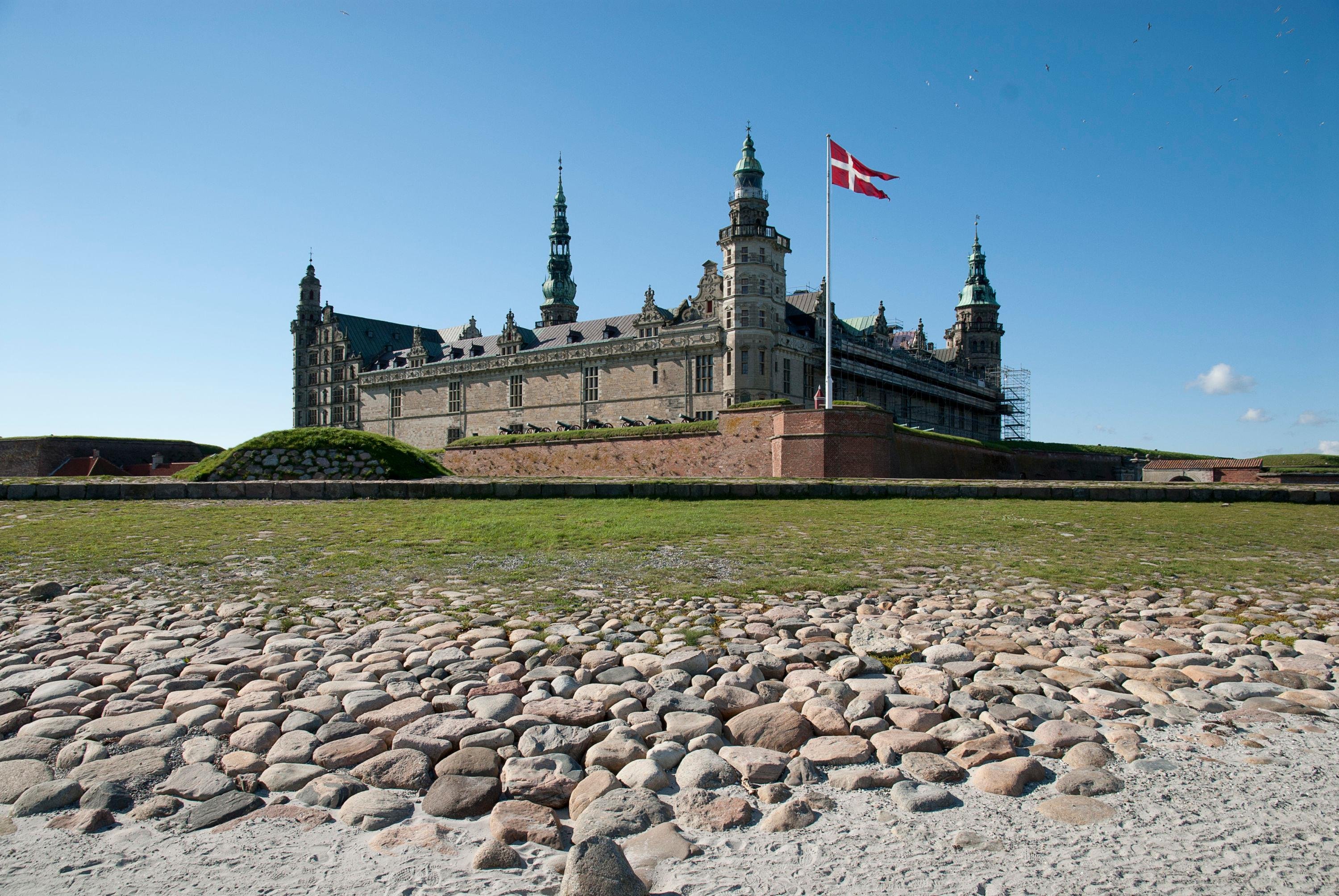
Full-day journey through Denmark's royal past: Hamlet's fortress, Renaissance palace, royal tombs, and Viking relics
4 hours
Free Cancellation
Journey to Denmark's ancient Viking capital for an immersive day of Norse heritage and royal history
7 hours 30 minutes
Free Cancellation
A full-day journey through Denmark's Viking and royal heritage, from ancient longships to living history
4 hours
Free Cancellation
Discover Denmark's ancient Viking capital with immersive museum experiences and royal history
5 hours
Free Cancellation
Step into Nordic seafaring culture with hands-on boatbuilding, museum exploration, and living craft traditions
9 hours
Free Cancellation
Journey through Norse history at two premier sites with expert guides and hands-on exploration time
6 hours
Free Cancellation
Journey to Denmark's royal burial church and maritime past with chauffeured transport from Copenhagen
5 hours
Free Cancellation
Journey through Denmark's Viking past with expert-led visits to ancient rune stones, burial sites, and ship museums
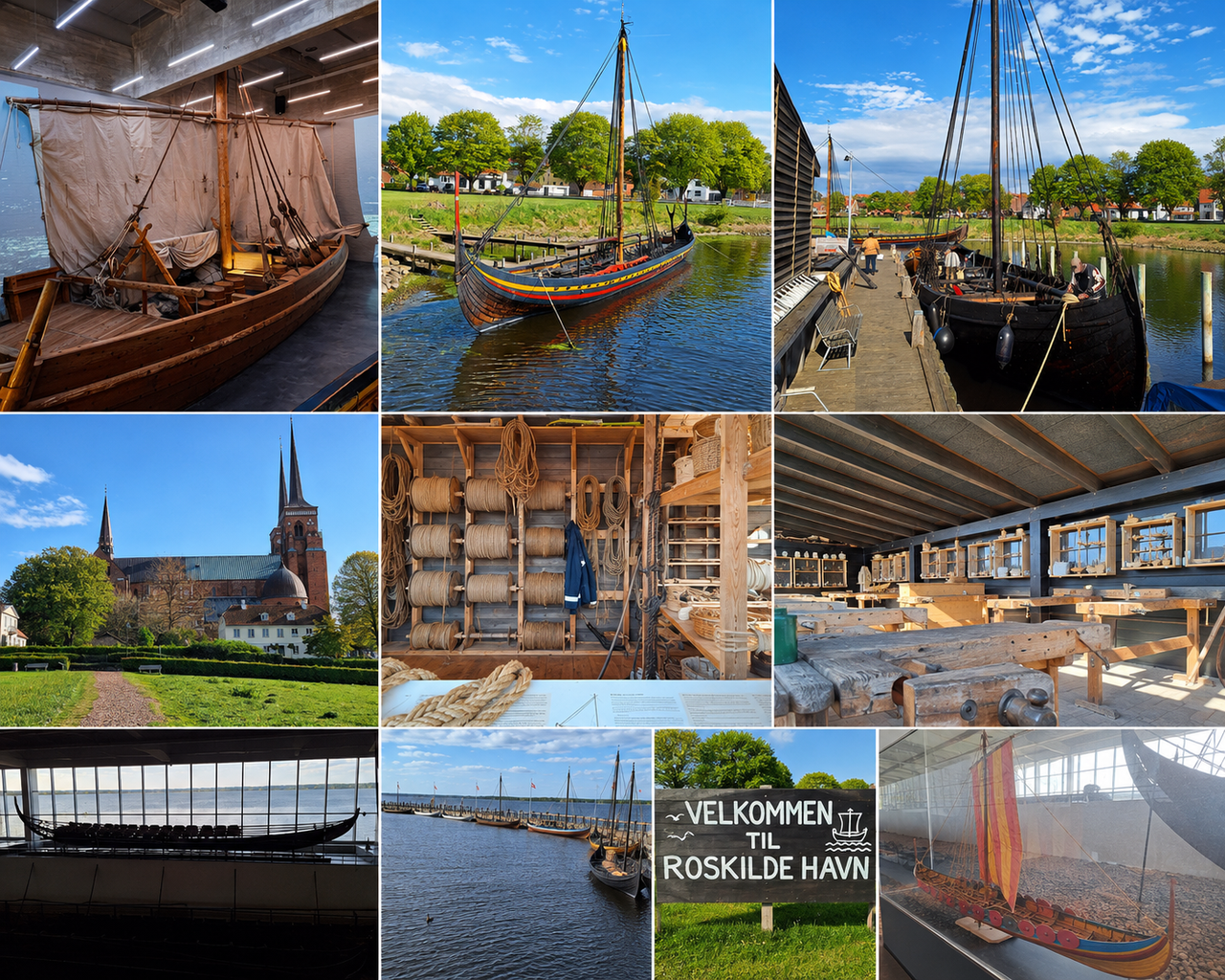
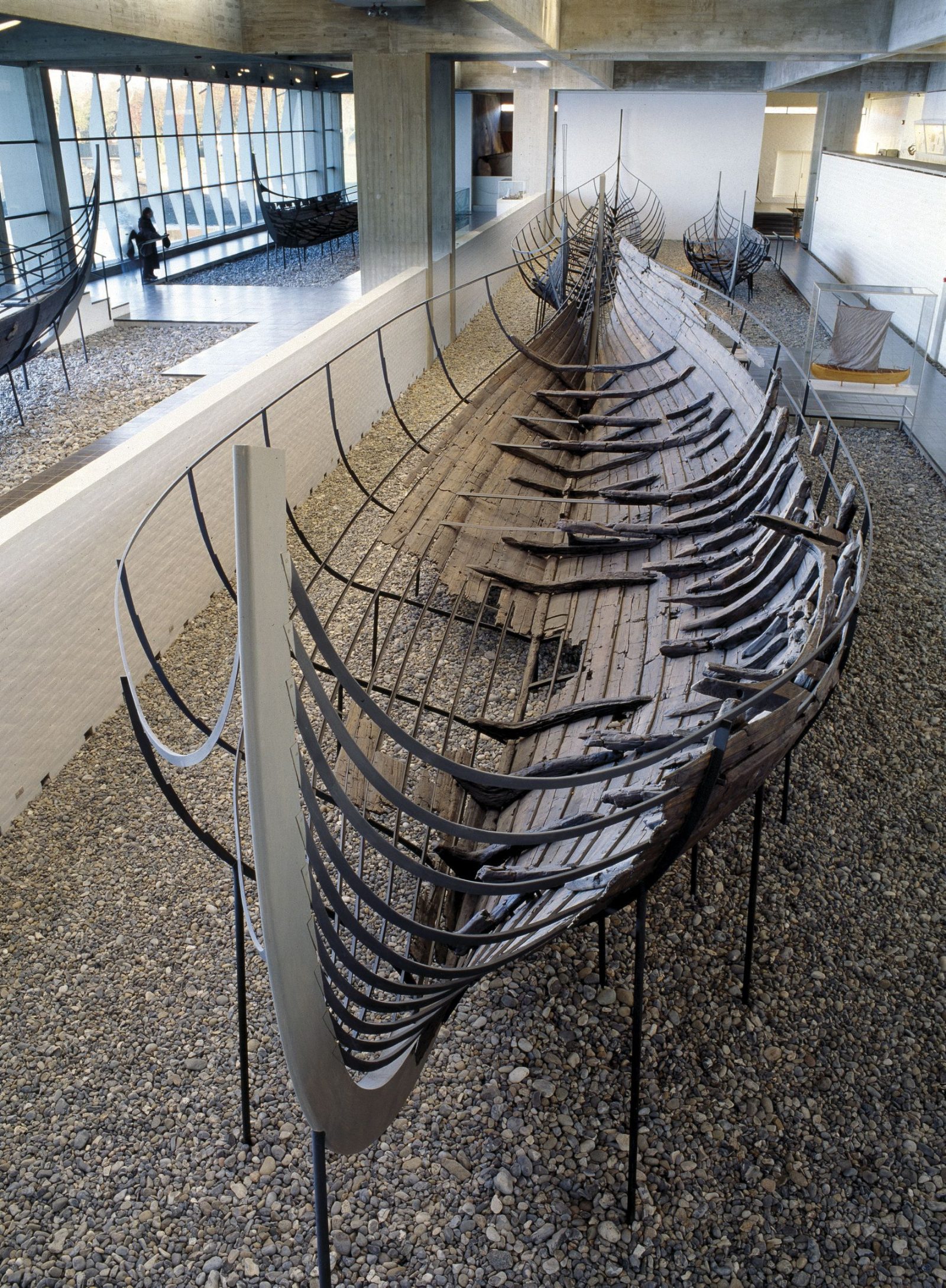
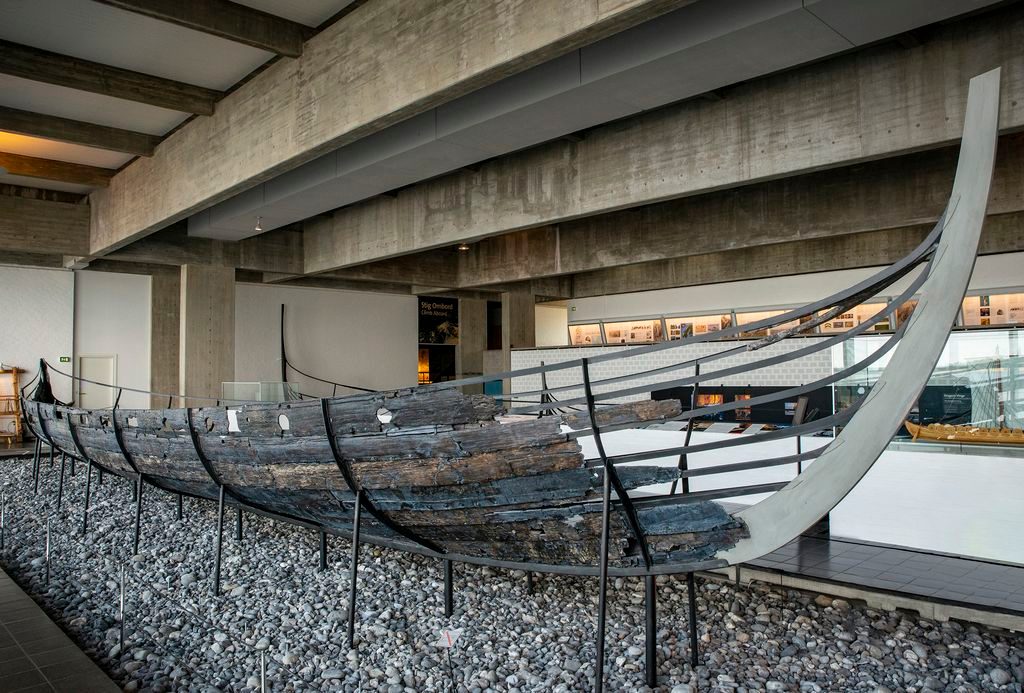
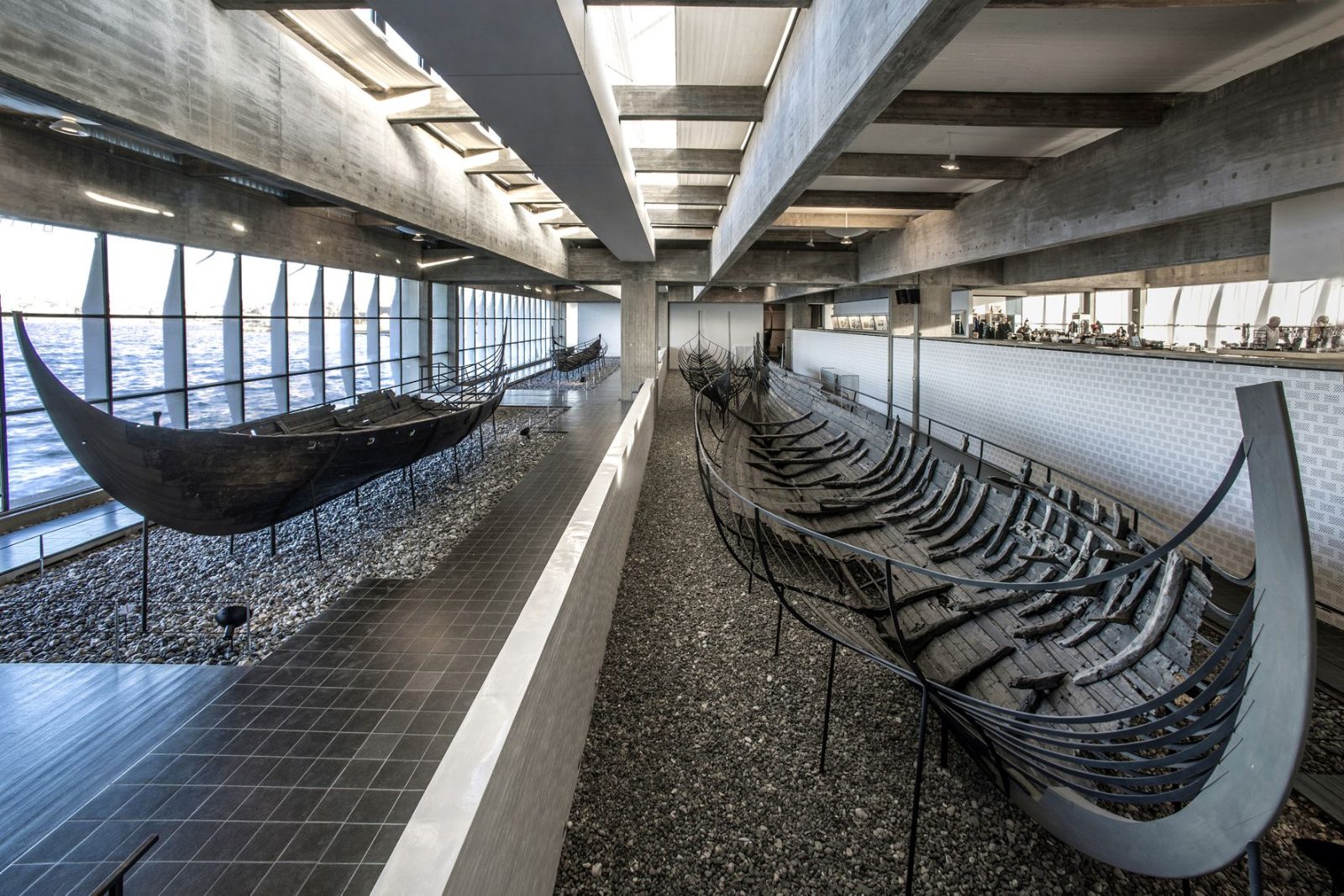
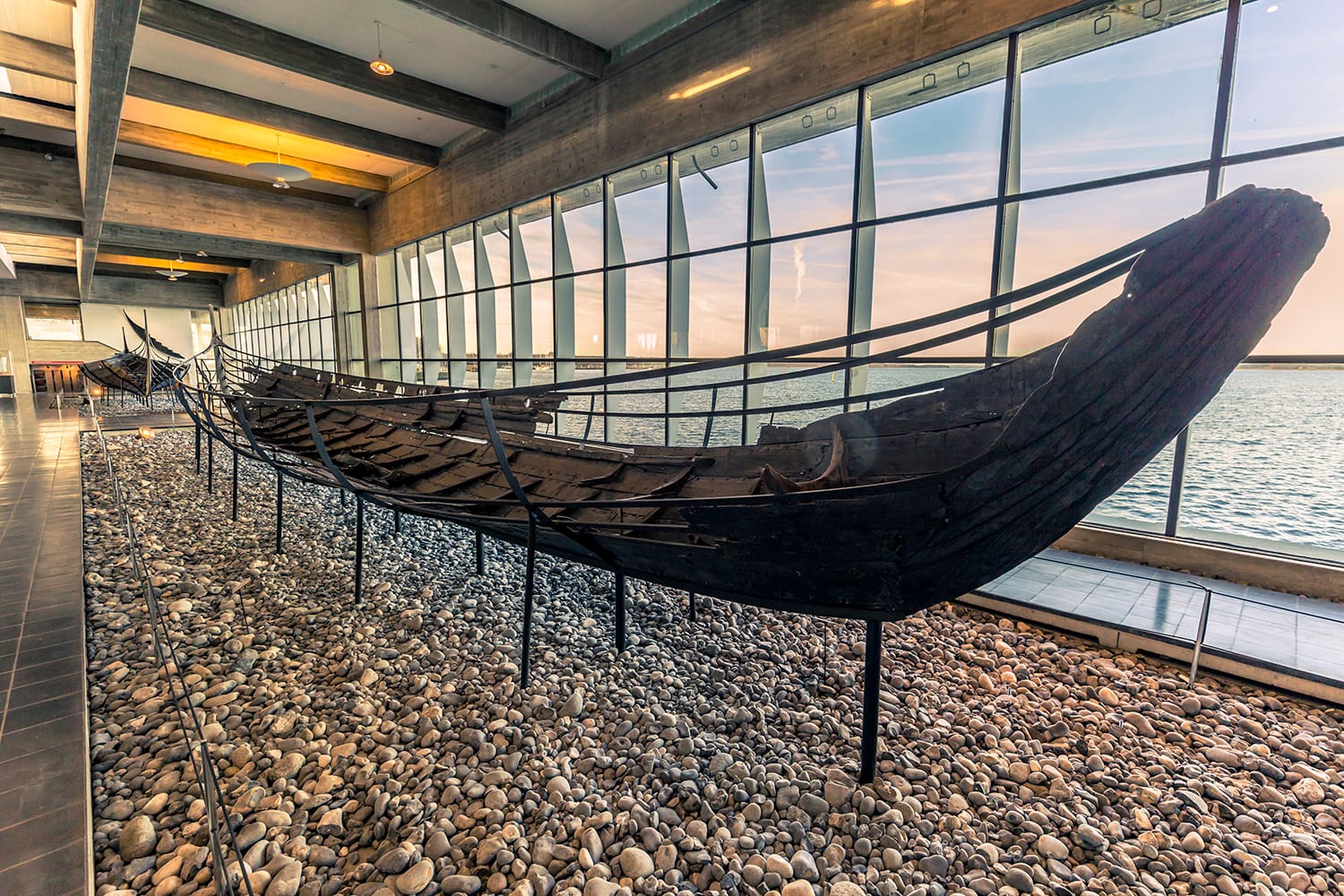
View the five Skuldelev ships recovered from the Roskilde Fjord
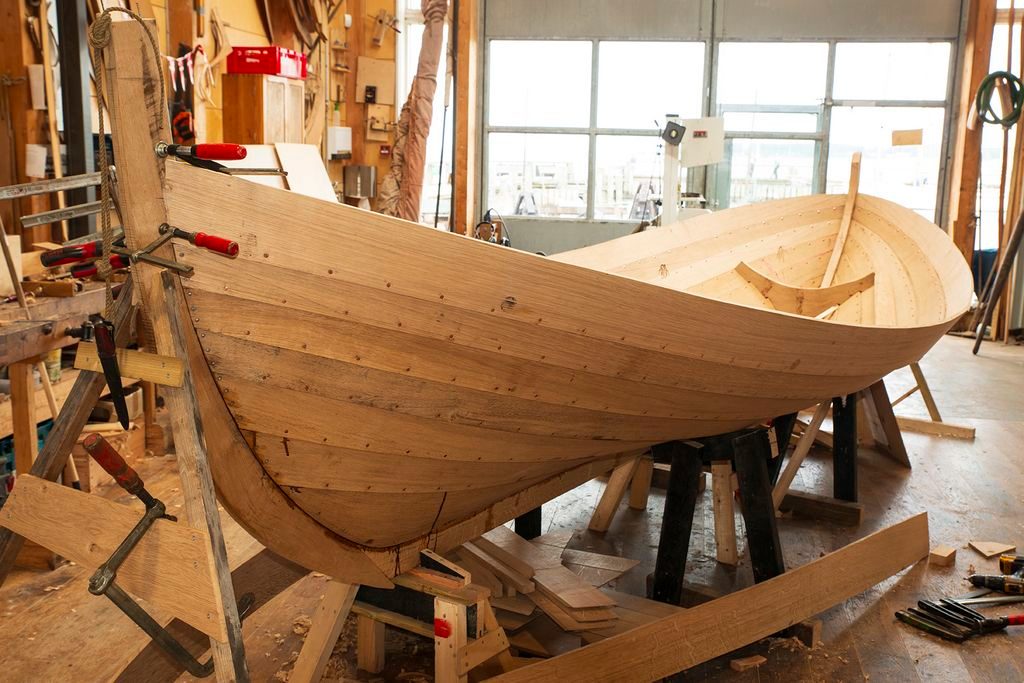
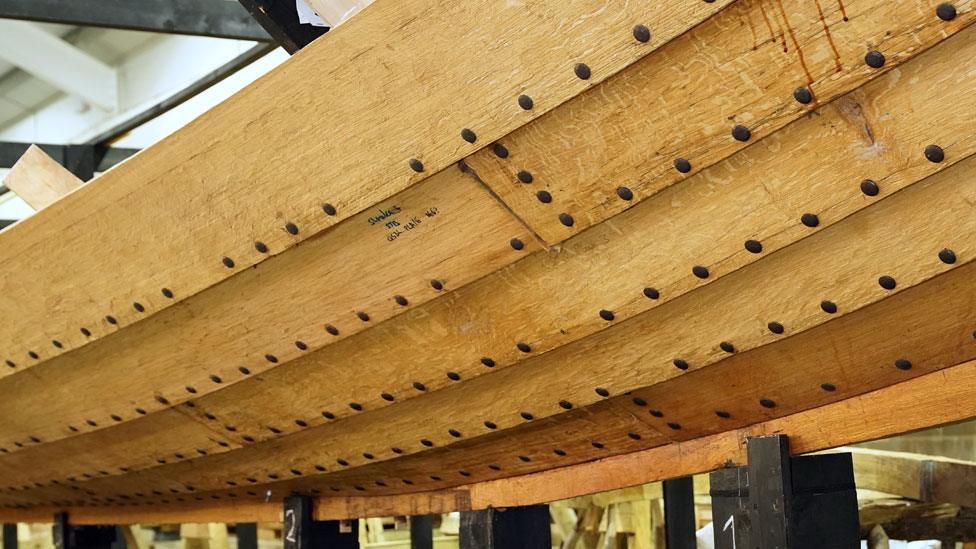
Observe traditional boatbuilding and reconstructions
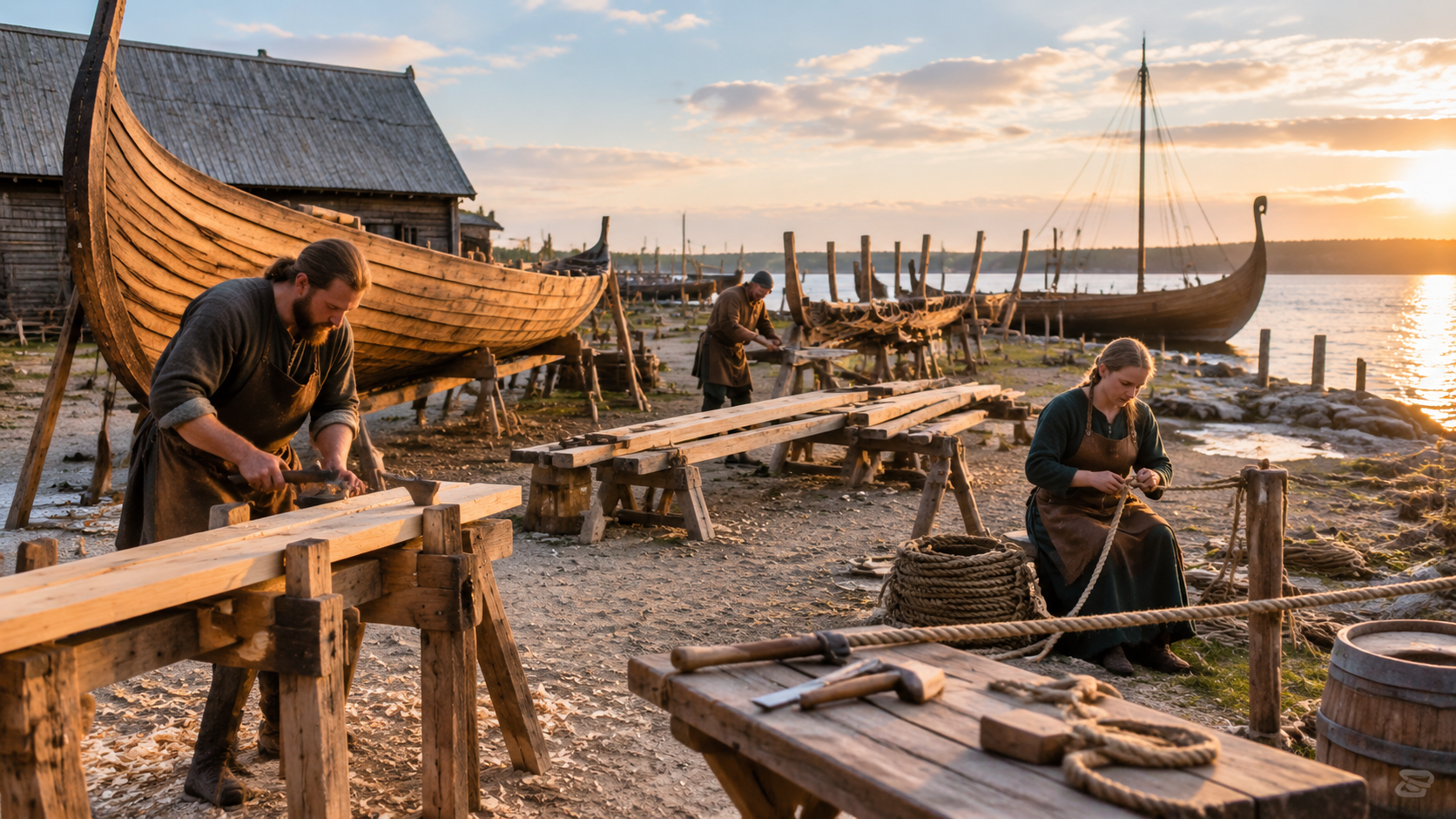
Watch master shipbuilders utilize ancient tools
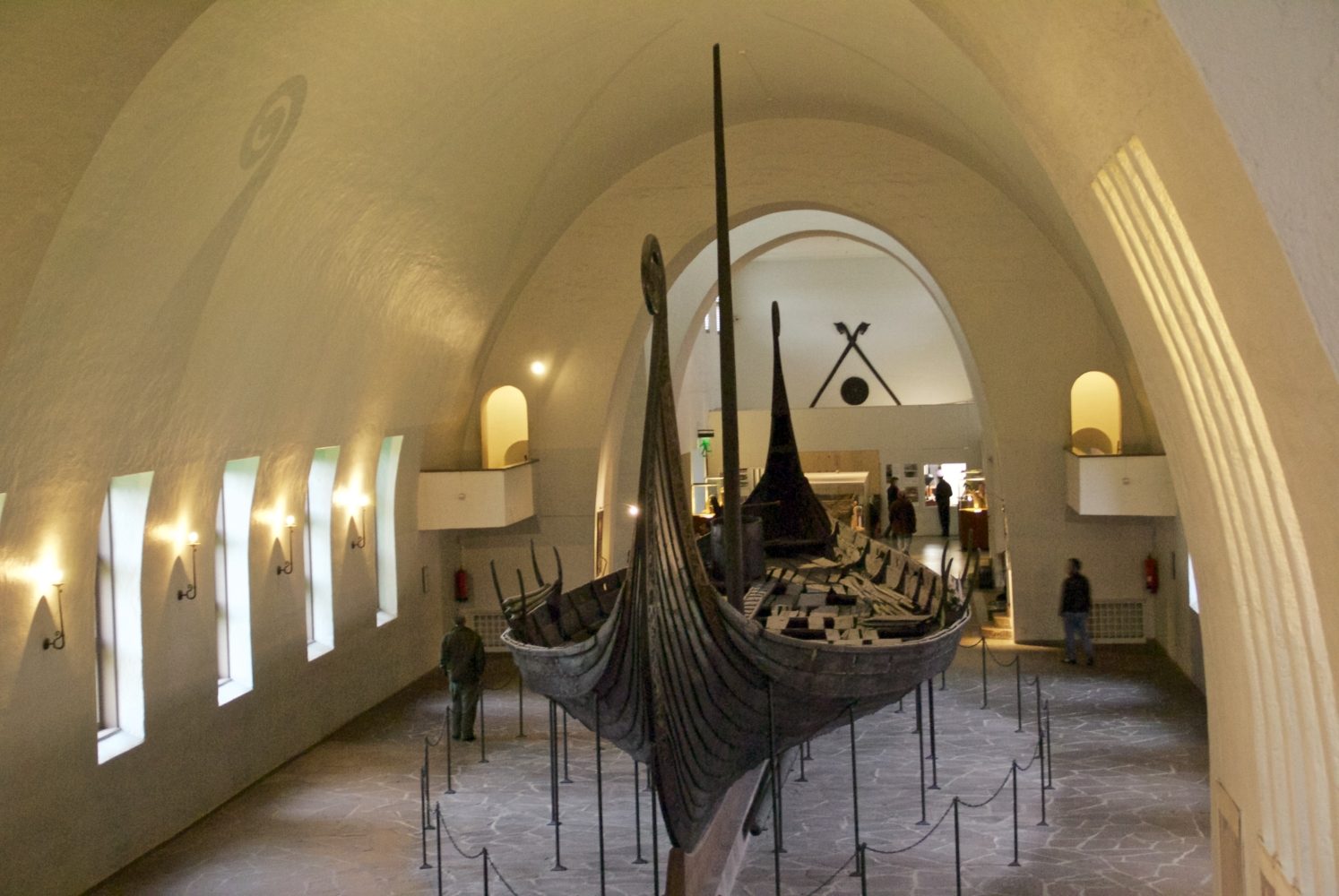
This massive longship is the largest vessel in the Viking Ship Museum collection, measuring nearly 30 meters in length. It was built in Dublin around 1042 AD.
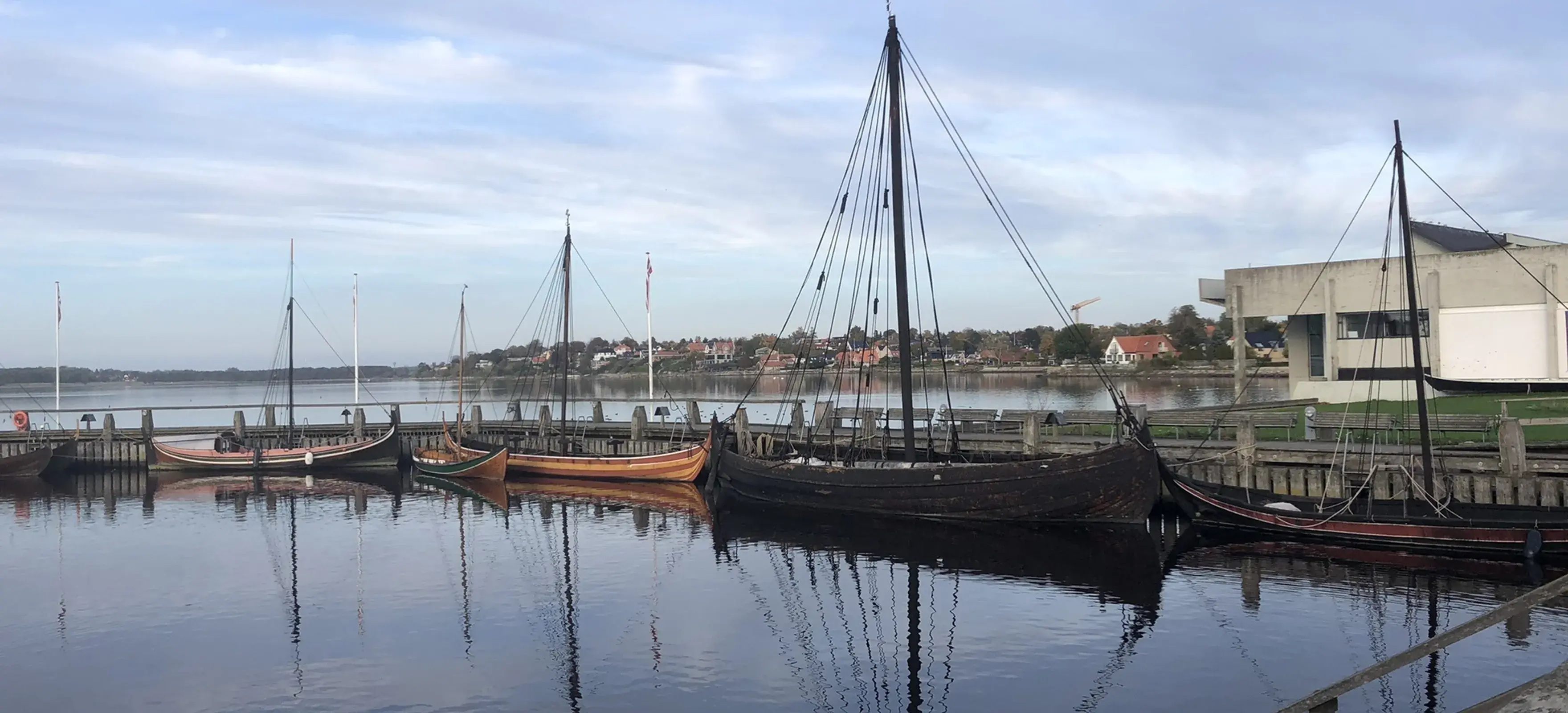
An ocean-going merchant ship, this vessel demonstrates the impressive Viking capability for long-distance travel. It was constructed from pine in Western Norway around 1030 AD.
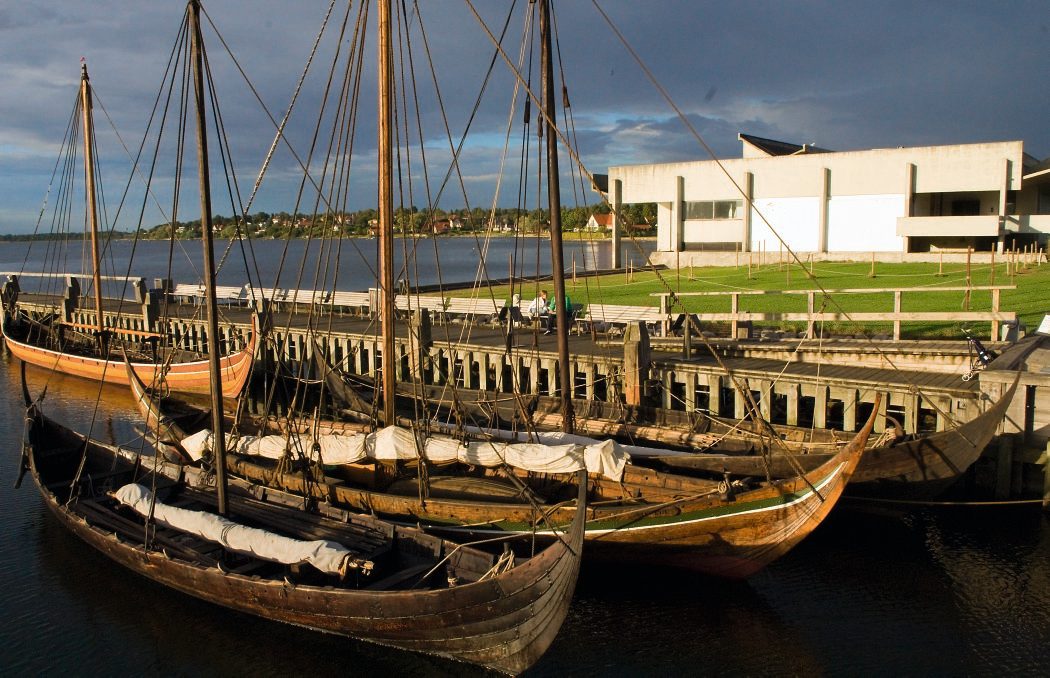
This small, nimble warship was designed for shallow coastal waters and defensive raiding. It highlights the diversity of maritime strategy preserved at the Viking Ship Museum.
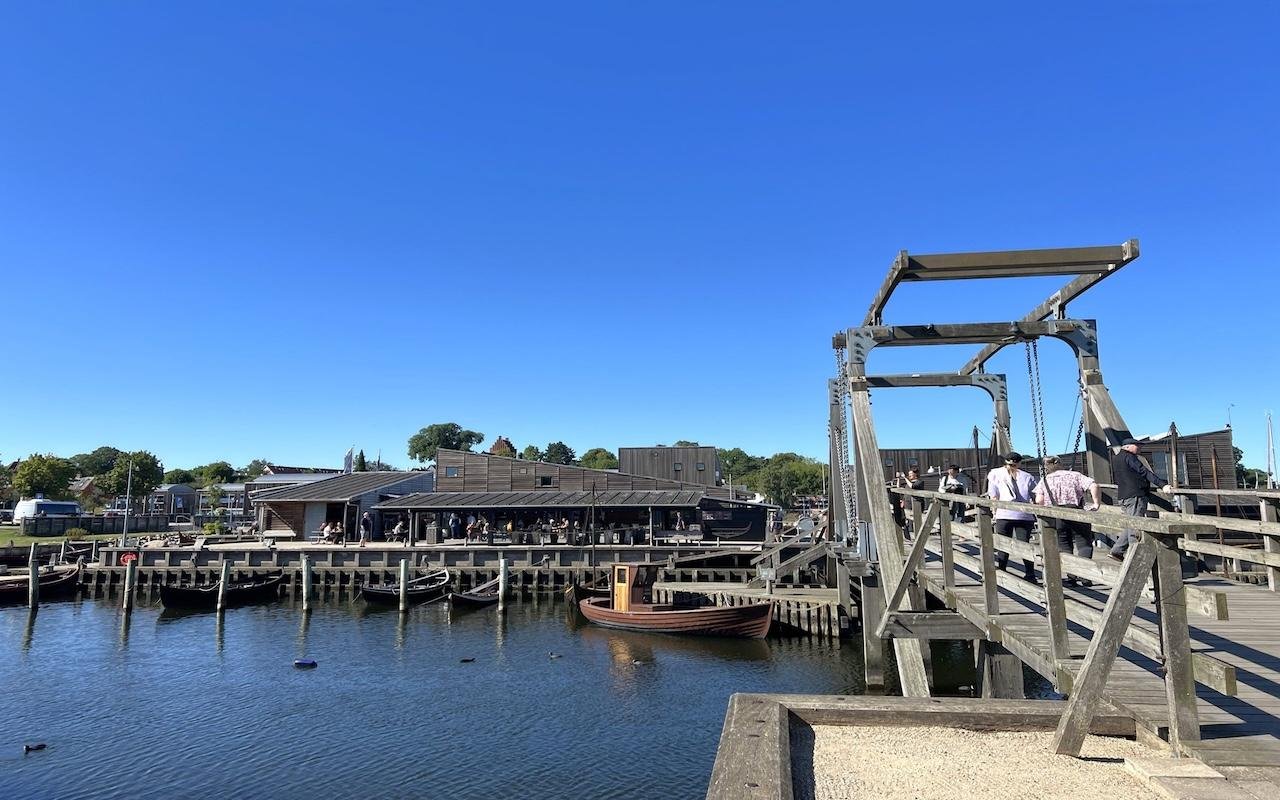
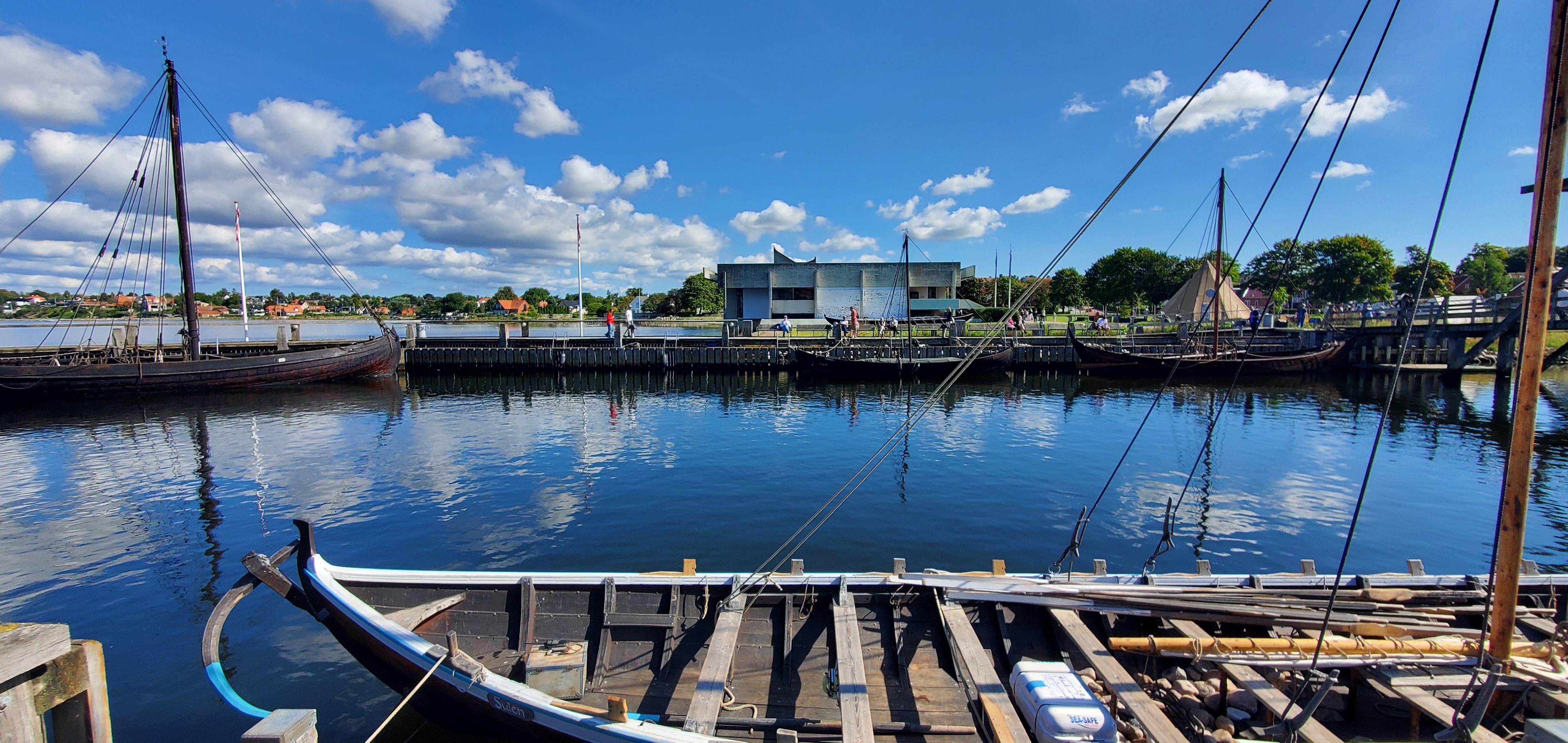
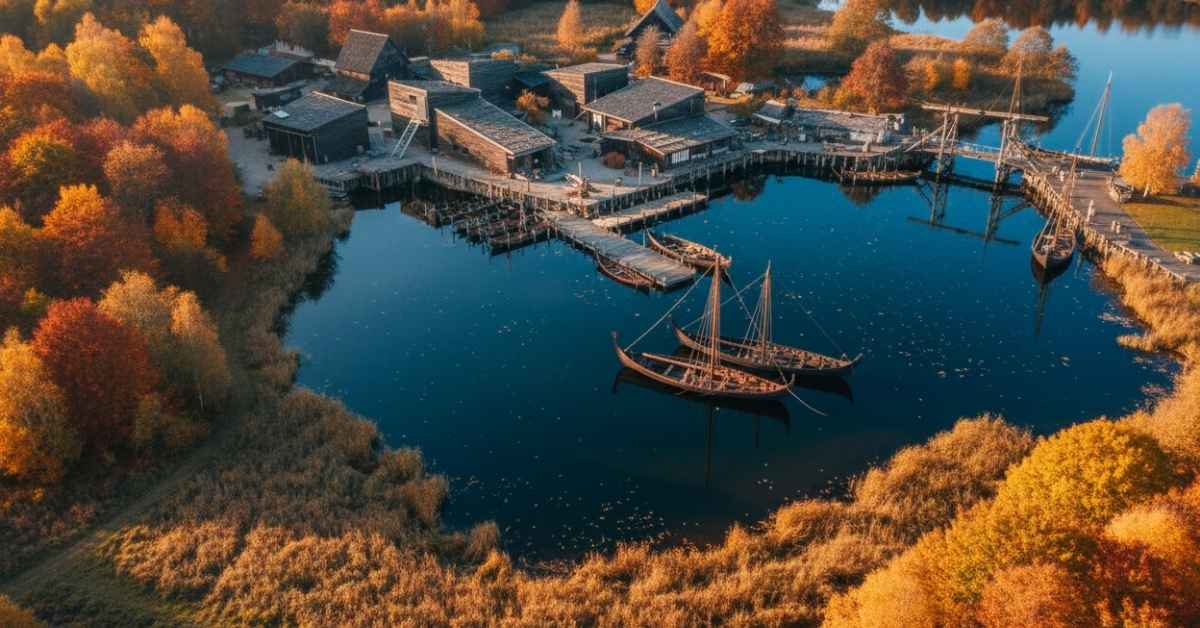
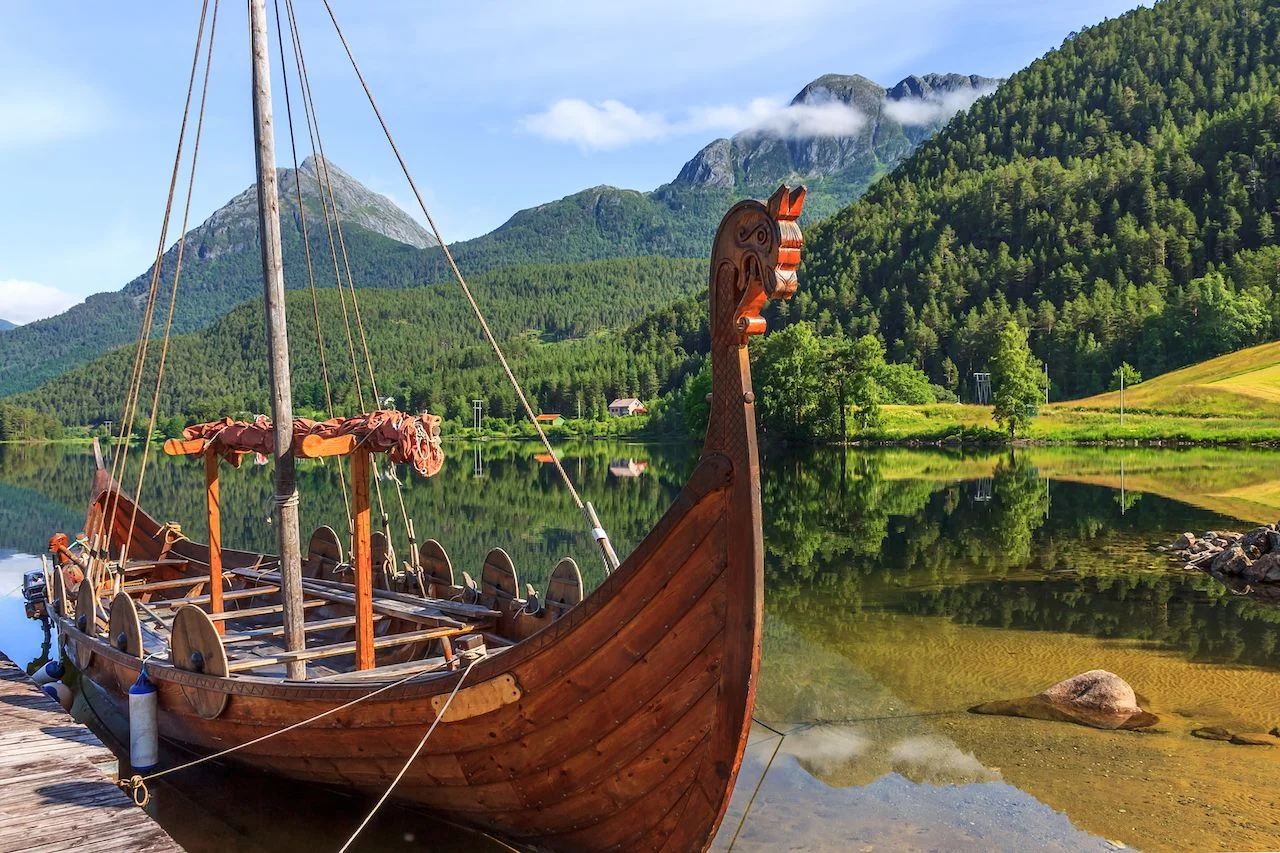
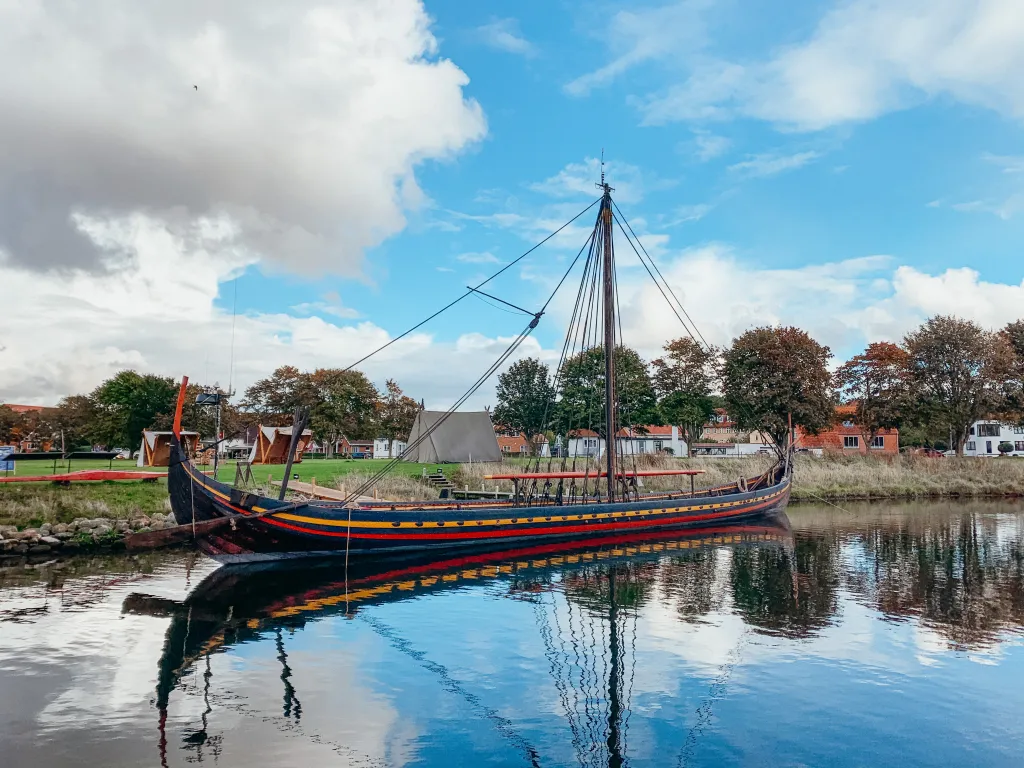
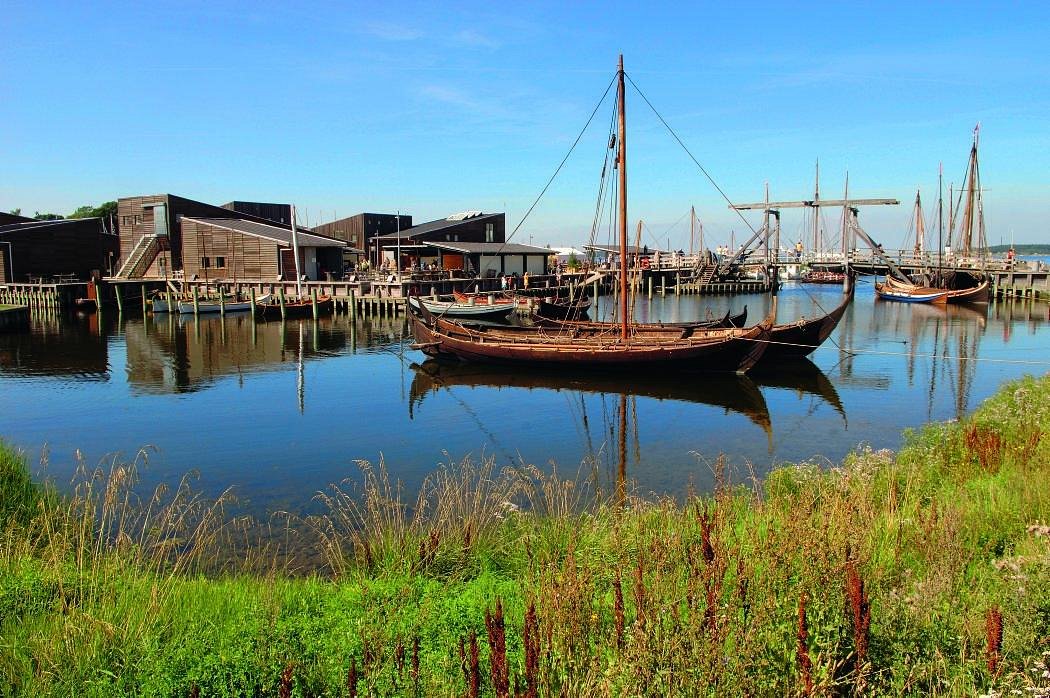
The harbor area features active boat reconstructions and traditional craftsmanship in action. Visitors can see how these vessels were built over 1,000 years ago using iron tools.
This facility provides an up-close look at the maritime heritage preservation efforts. Shipbuilders here maintain the replica fleet found at the Viking Ship Museum.
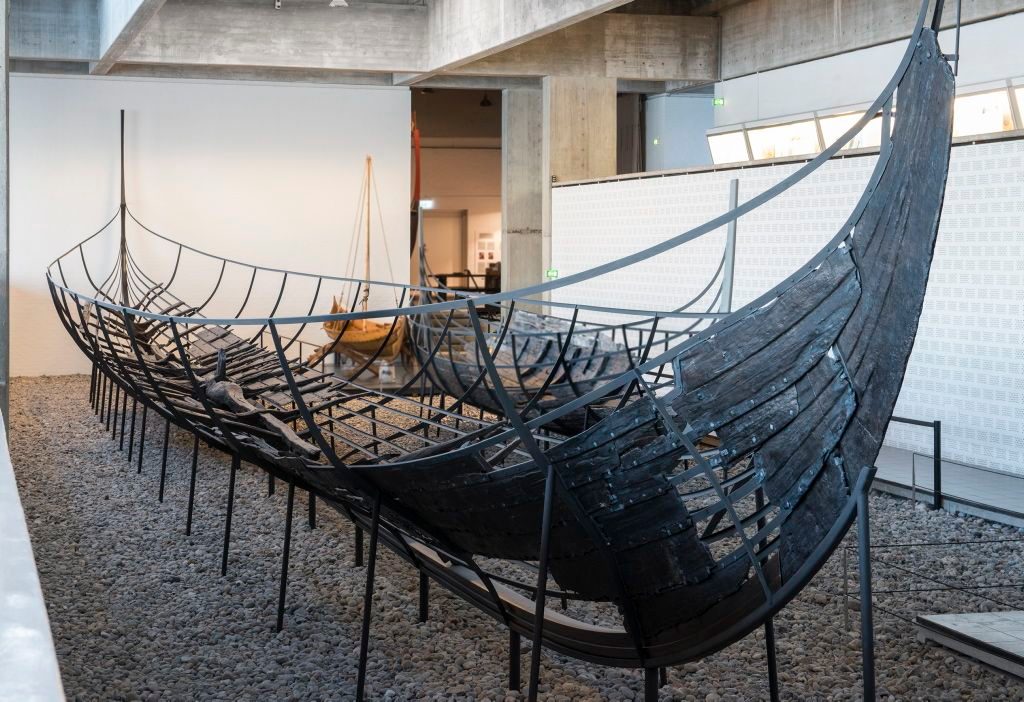
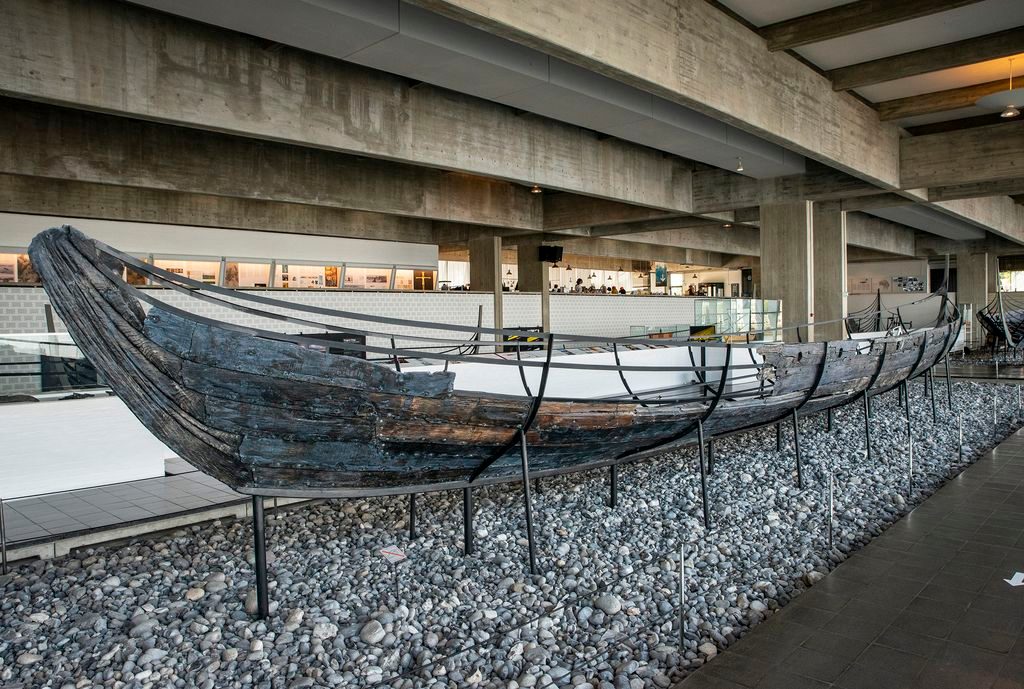
You arrive at Museum Island and cross the timber causeway over shallow water where the Skuldelev wrecks rested for nine hundred years. Inside the conservation hall, glass cases hold the five reconstructed skeletons—oak ribs rising from keel to gunwale, gaps filled with steel supports where wood rotted away.
You circle Skuldelev 2, the thirty-metre warship, noting the sixteen oar ports per side and the scarred bow plank that bore the brunt of beaching landings. Labels identify each timber's origin forest and carbon-date.
You step outside to the harbour workshop. A craftsman planes a fresh oak strake on a shaving horse, wood curls piling at his feet. Behind him, a half-finished knarr sits on scaffolding, its clinker-built hull smelling of pine tar. You walk the boardwalk loop, pausing at the replica longship moored at the pier—its red-and-white sail furled, oars stacked along the thwarts. Across the fjord, fishing boats pass the channel the original fleet once defended. You return to the hall for the rigging exhibit, studying bronze rivets and tarred rope samples under magnification, then exit past the gift shop stocked with ship models and saga translations. The whole visit spans two and a half hours if you linger at the workshop demonstrations.
All the details about your upcoming adventure in one place
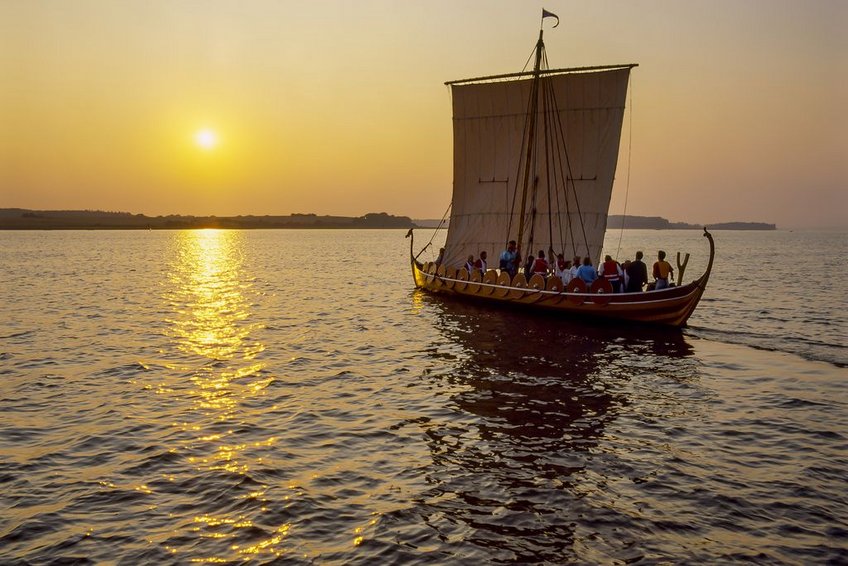
The Viking Ship Museum Roskilde preserves five original Viking vessels recovered from Roskilde Fjord, offering direct encounters with 11th-century maritime craftsmanship. Visitors explore Skuldelev ships through indoor galleries and outdoor boatyard demonstrations where traditional Nordic boat-building techniques remain active. Viking ship museum roskilde tours include access to the Museum Island workshop, Viking harbour, and seasonal sailing experiences aboard reconstructed longships.
Five oak-hulled warships and cargo vessels, sunk deliberately in Roskilde Fjord around 1070 to block a naval channel, lay submerged for nine centuries before divers rediscovered them in 1962.
The Viking Ship Museum Roskilde stands on Museum Island at the site of their excavation, housing fragments and reconstructed frames of Skuldelev 1 through 5—a merchant knarr, two warships, a small ferry, and a longship that once carried thirty warriors. The conservation hall spans 2,400 square metres, its glass façade overlooking the same waters the vessels navigated a millennium ago. Each ship bears scars of its working life: charred planks from coastal raids, repair patches added by successive crews, oak ribs shaped by Bronze Age axe techniques that survived into the Viking Age. The collection anchors Denmark's claim as a seafaring power long before Scandinavian kingdoms consolidated.
The museum complex opened in 1969, though the boat-building workshop on the harbour's edge did not appear until 1997. Here craftsmen reproduce Viking-age construction methods—splitting oak trunks with wedges, shaping strakes with drawknives, caulking seams with tarred animal hair. The workshop has launched seven full-scale replicas since its founding, several of which sailed to Dublin and North America retracing historical trade routes. Visitors walk a timber boardwalk around active construction bays where the smell of pine tar and wood shavings mingles with salt air from the fjord. Interpretive panels detail rivet patterns, keel-to-gunwale proportions, and sail rigging recovered from bog deposits across Scandinavia.
Roskilde itself served as Denmark's capital from the tenth to the fifteenth century, a political weight that made its fjord a strategic artery. The museum's holdings extend beyond the Skuldelev wrecks to include anchor stones, navigational weights, and fragments of merchant cogs that carried Baltic amber and Frankish wine. A separate gallery maps Viking trade networks from Constantinople to Newfoundland, using cargo manifests preserved in Icelandic sagas and archaeological finds from Dublin's Wood Quay. The institution draws 140,000 visitors annually, many combining their visit with Roskilde Cathedral three kilometres inland. Viking Ship Museum Roskilde tours often pair the maritime collection with the cathedral's royal crypts, though the museum's isolated harbour location rewards sustained attention to shipwright details and fjord ecology.
Five oak-hulled warships, sunk deliberately in 1070 to block a naval channel, lay submerged for nine centuries before divers rediscovered them in 1962.
Casual outdoor attire is recommended for the Viking Ship Museum, as visitors move between indoor climate-controlled halls and the open-air harbor area. Sturdy, comfortable walking shoes are advised for navigating the gravel paths and wooden docks.
Small bags are permitted, but large luggage must be stored in the provided lockers at the entrance. Security reserves the right to inspect any personal items brought into the Viking Ship Museum site.
Non-commercial photography is permitted for personal use throughout the Viking Ship Museum. Tripods and flash photography are prohibited inside the Viking Ship Hall to protect the integrity of the ancient timber vessels.
The site provides dedicated play areas and interactive history stations for children. Families are encouraged to utilize the stroller-friendly paths that loop through the harbor exhibits.
The Viking Ship Museum is largely accessible, with ramps connecting the different levels of the Viking Ship Hall. The outdoor museum island features gravel paths, which may require assistance for some wheelchair users during wet weather.
Picnicking is permitted in designated outdoor areas of the museum island. Consumption of food and beverages is strictly forbidden inside the exhibition halls near the historic ships.
Opening Hours
10:00–16:00
Address
Vindeboder 12, 4000 Roskilde, Denmark
Museum Access
Accessible facilities throughout the exhibition hall and harbor area
Best arrival window
10:00–15:00
Storage
Lockers available for small personal belongings
Navigation
Guided paths provided between the Viking Ship Hall and the museum harbor
Public transport · 45 min from Copenhagen · Approx. 80 DKK
Take the train to Roskilde Station, then bus 203 directly to the museum stop.
Car · 40 min driving · Parking fee applies
Follow signs toward Roskilde Havn; parking is available near the site.
Standard adult tickets for the Viking Ship Museum are non-refundable once purchased. Visitors should be aware that the 130 DKK or 165 DKK entrance fee covers all permanent exhibitions on the date selected.
Recommended time
3-4 hours
To experience the Viking Ship Museum Roskilde effectively, allocate enough time to explore both the main hall housing the five original Skuldelev ships and the active boatyard where traditional craftsmanship is preserved. Guests utilizing viking ship museum roskilde tours often find that moving between the indoor exhibition and the outdoor museum island requires consistent pacing to avoid mid-day congestion. Visitors securing viking ship museum roskilde tickets should plan their transit between these zones carefully, as crowds tend to peak during the early afternoon hours. Engaging fully with the maritime history and wooden vessel construction usually fills a half-day visit comfortably.
Crowd levels through the day
Weather · crowds · average price — dots go green to amber to red as each metric rises.
Mild weather and fewer crowds make this an ideal time for exploring the harbor exhibits. Temperatures average 10–15°C.
The museum is most active, with boat trips available on the fjord. Expect peak crowds and a 165 DKK entrance fee.
Crisp air and beautiful scenery define this season at the Viking Ship Museum. Perfect for indoor exhibition viewing.
The quietest period to enjoy the Viking Ship Hall without any wait times. Entrance is 130 DKK.
Purchase your Viking Ship Museum tickets via the official site to save time upon arrival.
Visit the harbor in the morning to see the boats before the afternoon wind picks up.
Download the official museum app before you enter the Viking Ship Hall for enhanced historical context.
Even in summer, the proximity to the water can make the harbor area feel cooler than the town center.
Tuesday and Wednesday are typically quieter than weekends for touring the Viking Ship Museum.
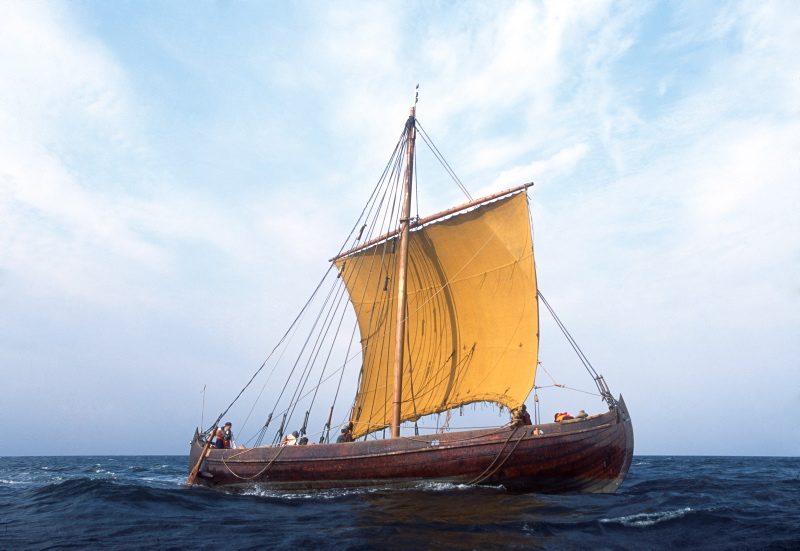
The viking ship museum roskilde exists because of five warships deliberately sunk in Roskilde Fjord nearly a thousand years ago. Around 1070, Viking Age communities blocked the Peberrenden channel near Skuldelev to protect the trading town of Roskilde from seaborne raids. The barrier consisted of five vessels—two warships, two cargo ships, and a smaller fishing or ferry boat—filled with stones and scuttled in a narrow passage. They lay submerged and forgotten until 1962, when divers and archaeologists raised them in a painstaking recovery that involved building a cofferdam and pumping out 20,000 cubic meters of water. The Skuldelev ships, as they became known, were reassembled from thousands of fragments in a conservation process that took decades. The museum opened in 1969 to house these finds, establishing itself as the principal institution for Viking maritime archaeology. The longest warship, Skuldelev 2, stretched over 30 meters and was built from Irish oak around 1042 in Dublin—evidence of the wide-ranging shipbuilding networks of the Norse world. Skuldelev 5, a smaller warship, was constructed from multiple woods including pine, ash, and oak, showing how Viking shipwrights adapted materials to function. The cargo vessels revealed trade routes that extended from the Arctic to the Mediterranean. Dendrochronology and wood analysis allowed researchers to date the timber precisely and trace its geographic origins, transforming understanding of Viking mobility and craftsmanship. In 1997, the museum opened its boat workshop and outdoor harbor on Museum Island, where traditional boatbuilders construct seagoing replicas using Viking Age tools and techniques. The Sea Stallion from Glendalough, a full-scale reconstruction of Skuldelev 2, sailed to Dublin and back in 2007-2008, proving the vessels' Atlantic capabilities. Today the viking ship museum roskilde tours attract scholars and visitors worldwide, offering both the original fragments in climate-controlled halls and the working replicas afloat in the fjord. The institution continues archaeological excavations and experimental voyages, anchoring the Viking Ship Museum as a living research center rather than a static collection.
Five Viking Age ships deliberately sunk in Peberrenden channel to block enemy fleets from reaching Roskilde.
Archaeologists recovered the Skuldelev ships using a cofferdam, draining the fjord and extracting thousands of waterlogged fragments.
Viking Ship Museum opened in Roskilde to display the reassembled vessels and interpret Norse maritime culture.
Museum Island boat workshop inaugurated, enabling craftsmen to build seagoing replicas with traditional Viking Age methods.
The Sea Stallion, a full-scale replica of Skuldelev 2, sailed from Roskilde to Dublin and back, proving the design's ocean worthiness.
Position yourself on the elevated walkway for a high-angle composition of the Skuldelev ships against the panoramic glass backdrop. This vantage point provides a clear view of the hull structures without obstruction from other visitors.
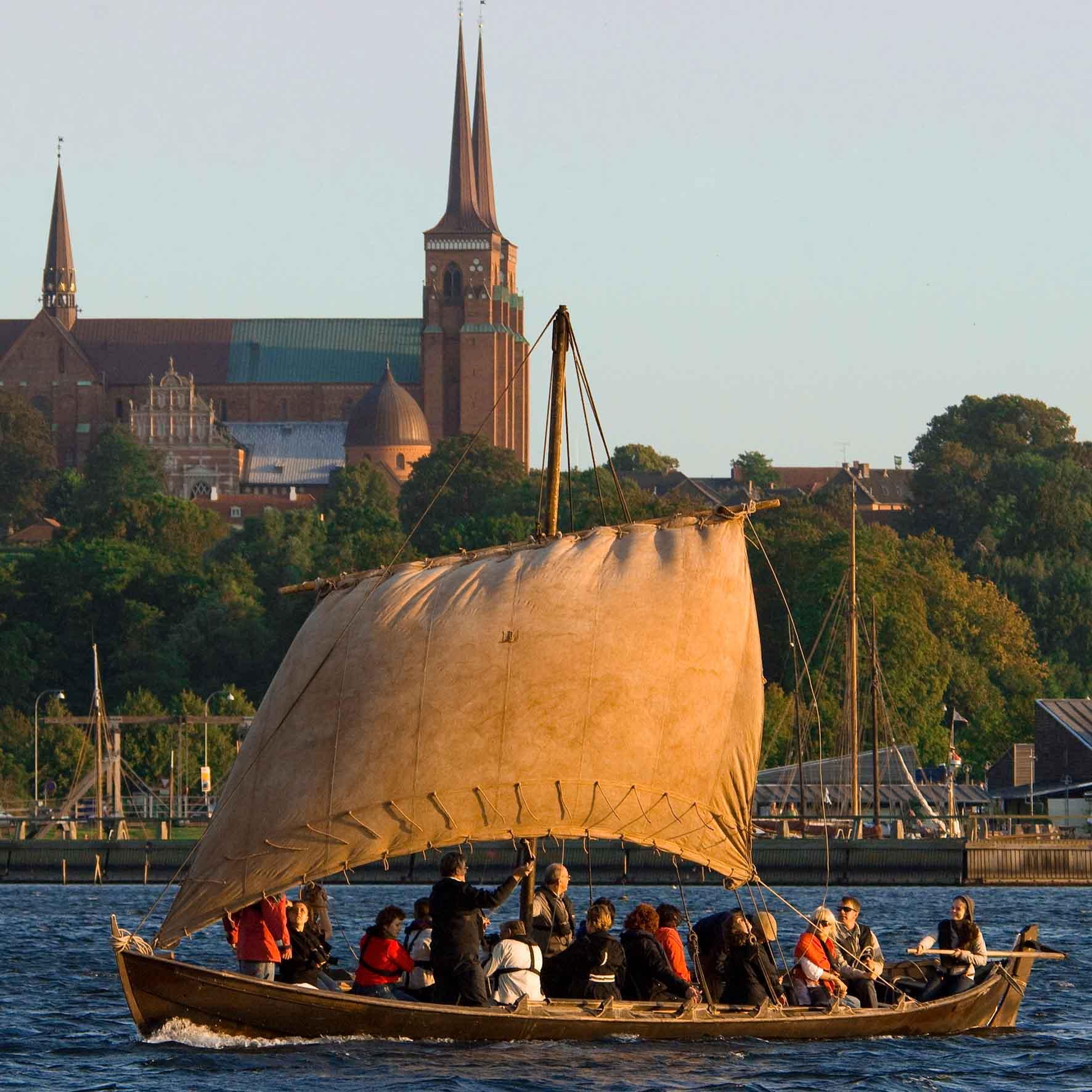
Walk to the edge of the wooden jetty to capture the reconstructed vessels bobbing on the water. This spot offers a classic framing of traditional Nordic boat building against the Roskilde Fjord horizon.
Observe the craftsmen near the shore where traditional woodworking techniques are demonstrated. Standing at the perimeter of the slipway allows for detail shots of rope work and timber framing when viking ship museum roskilde tours are not blocking the path.
Follow the trail along the water for a side-profile view of the museum architecture integrated into the landscape. This location is ideal for wide-angle shots that include both the building and the sailing fleet before you purchase viking ship museum roskilde tickets.
Visiting the viking ship museum roskilde with children offers a hands-on journey into the past, featuring interactive play areas and authentic outdoor boatyards. Families can easily navigate this historic destination by combining indoor exhibits with open-air exploration along the picturesque fjord.
Strollers are welcome on the museum grounds, though access to the indoor Viking Ship Hall is restricted by stairs; please contact information upon arrival for assistance with stroller access.
Located in the basement of the Viking Ship Hall, The Hamlet is a dedicated children's universe where kids can dress up, cook by a fireplace, and try out Viking-age crafts at their own pace.
During the summer, join a child-friendly viking ship museum roskilde tour, designed to immerse young visitors in Viking history through imaginative storytelling at the water's edge.
Baby changing facilities are conveniently located near the toilets at both the main Viking Ship Hall and Café Knarr on the Museum Island.
Extend your viking ship museum roskilde tours by visiting the boatyard to watch shipbuilders work, or let kids burn off energy on the lawns while you enjoy the scenic fjord views.
You are welcome to bring your own food to enjoy at the outdoor picnic tables on the Museum Island or on the grass opposite the Viking Ship Hall.
Visitors exploring the viking ship museum roskilde can enjoy scenic dining right on the harbor or explore nearby options after their viking ship museum roskilde tour. Many guests choose to combine their viking ship museum roskilde tickets with a relaxed meal overlooking the fjord.
Located on-site, this cafe focuses on Nordic ingredients and historical recipes inspired by the Viking Age. It is perfect for a light lunch or coffee while enjoying the maritime atmosphere of the museum harbor.;Restaurant Snekken
Real experiences from real travelers
The five Skuldelev ships at the viking ship museum roskilde are remarkably preserved, each vessel telling a different story of Norse seafaring. The museum's glass architecture lets natural light illuminate the ancient oak planks. Audio guides provide context about the 1962 fjord excavation.
Watched craftsmen building a reconstruction longship using period tools and techniques in the outdoor boatyard. The harbor has several vessels you can board. Staff explained clinker construction methods in detail.
The combination of original 11th-century vessels and active boat-building workshop makes this site unique. Skuldelev 2 warship is massive once you stand beside it. Allow three hours to explore both indoor galleries and waterfront area.
Vikingeskibsmuseet i Roskilde demonstrates authentic Norse boatbuilding through live demonstrations. The museum traces how archaeologists pieced together five ships from thousands of oak fragments. Children enjoyed the interactive sailing exhibits.
The viking ship museum roskilde houses an impressive assemblage of trading and war vessels. Some interpretive text only available in Danish. Fjord views from the café are worth the stop.
Booked a two-hour sailing experience on a reconstructed knarr trading vessel. Crew taught us basic rowing and steering techniques. The museum's collection provides essential context before going afloat.
Five ships sunk deliberately in Roskilde Fjord as a barrier reveal medieval shipbuilding secrets. The preservation environment created by brackish water is explained clearly. Original iron rivets and pine tar caulking still visible.
This venue offers depth beyond typical Viking stereotypes, focusing on navigation, trade routes, and woodcraft. The museum shop stocks books on Norse seafaring archaeology. Roskilde Fjord setting enhances the experience.
Children built small boats in the workshop using traditional methods. The viking ship museum roskilde tickets include access to all outdoor areas where reconstruction vessels are moored. Staff expertise is evident throughout.
Thirty-minute train ride from the capital brings you to this world-class collection. The contrast between fragile 1000-year-old oak and robust new reconstructions highlights Norse engineering. Cloudy March weather suited the atmosphere perfectly.
Everything you need to know for your journey
The Viking Ship Museum is open daily from 10:00–16:00. This applies every day of the week, including weekends.
Yes, the Viking Ship Museum provides accessible paths and ramps throughout the main exhibition areas and the harbor site.
Standard adult tickets for the Viking Ship Museum are 130 DKK during the winter season and 165 DKK in the summer season.
Yes, there are lockers provided at the Viking Ship Museum for visitor convenience. You should store large items here before starting your viking ship museum roskilde tour.
Food and drink consumption is restricted to designated outdoor areas. You are not allowed to eat inside the Viking Ship Hall at the Viking Ship Museum.
For the best experience, we recommend arriving between 10:00–15:00. This ensures sufficient time to explore both the indoor halls and outdoor exhibits before the Viking Ship Museum closes.
Yes, you may take photos for personal use. Please avoid using flash or tripods while inside the Viking Ship Museum.
You can reach the Viking Ship Museum by taking a train to Roskilde Station followed by the 203 bus, or by driving directly to the harbor.
Yes, the site is very family-friendly with interactive displays and play areas for children. The Viking Ship Museum offers a great educational experience for all ages.
Tickets are non-refundable once purchased. Ensure your schedule aligns with the 10:00–16:00 opening hours before buying your Viking Ship Museum tickets.
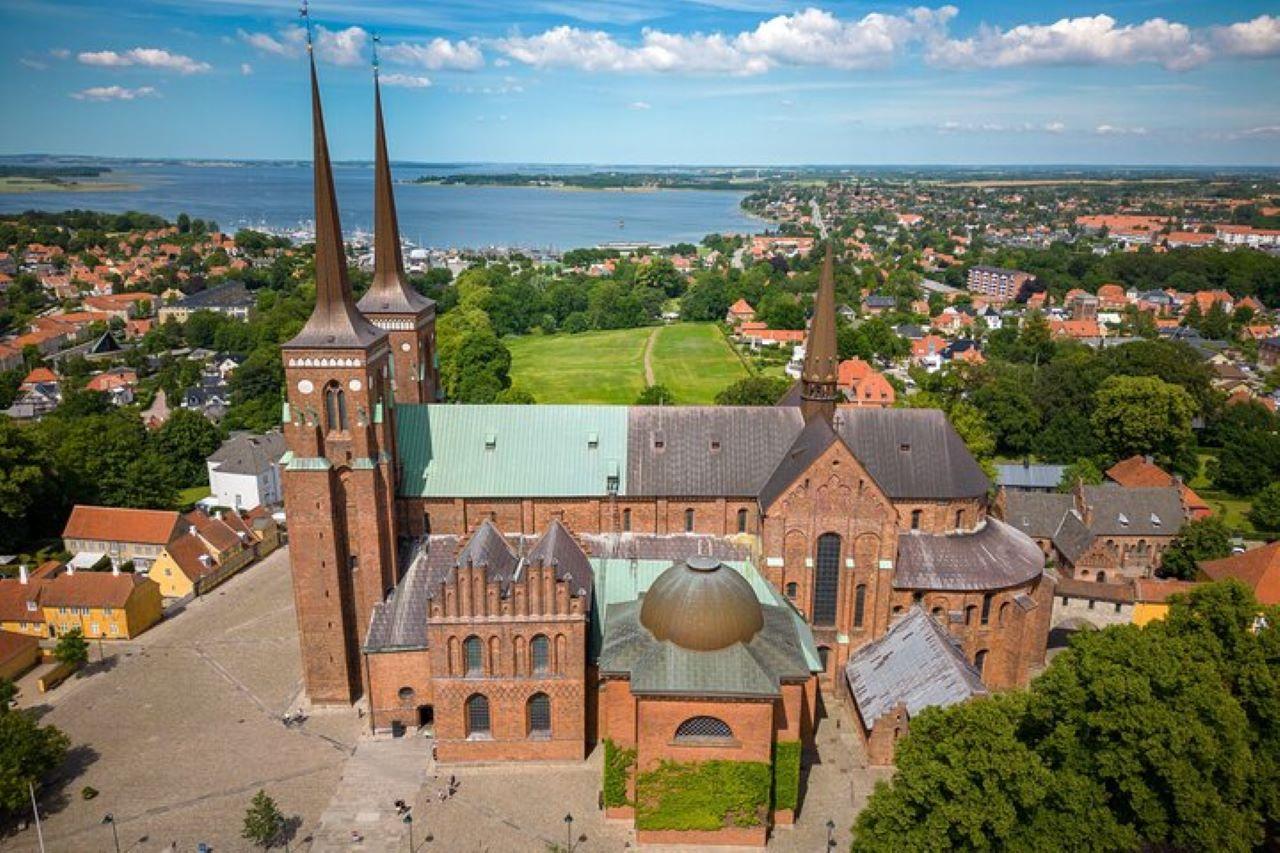
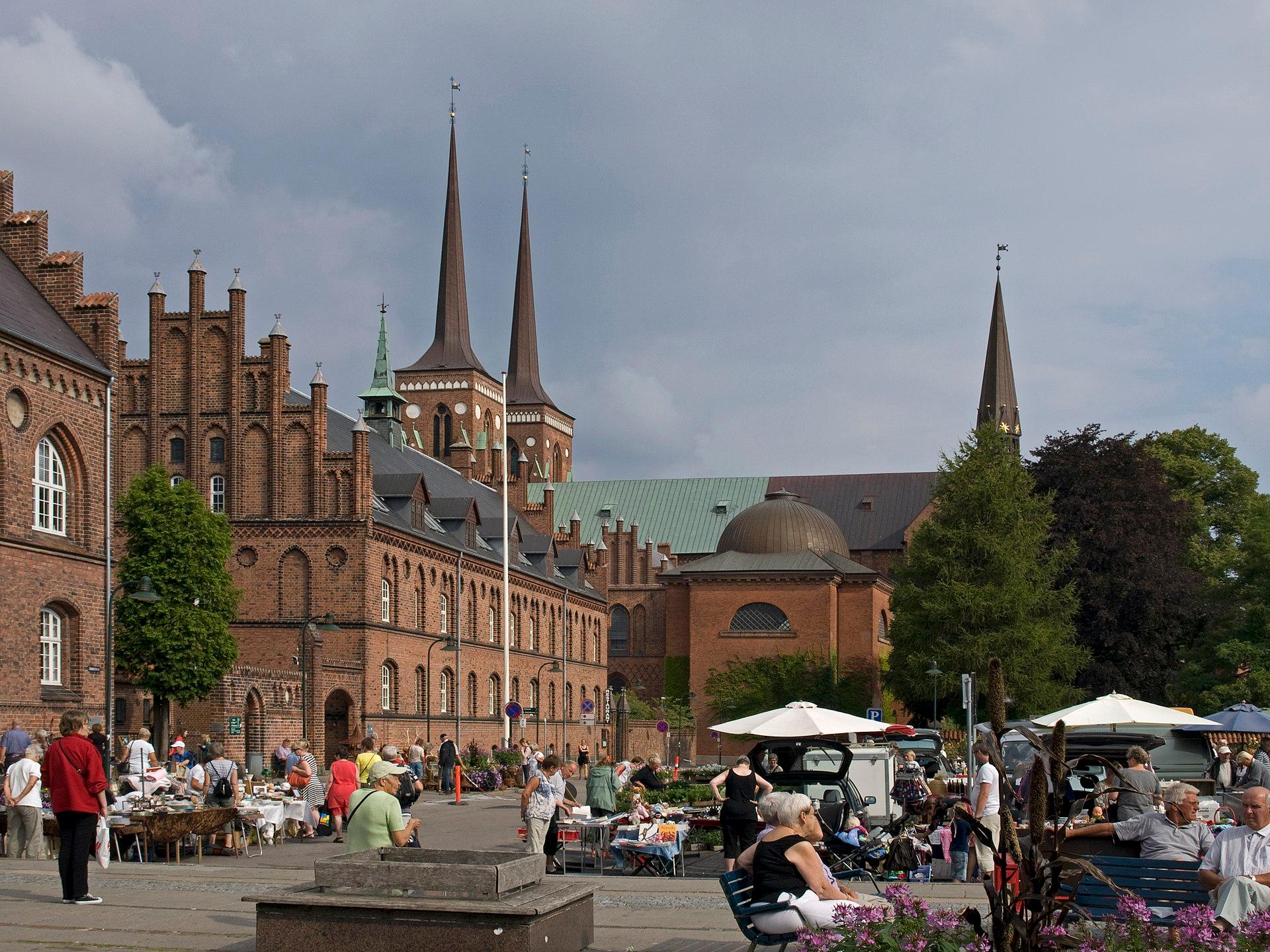
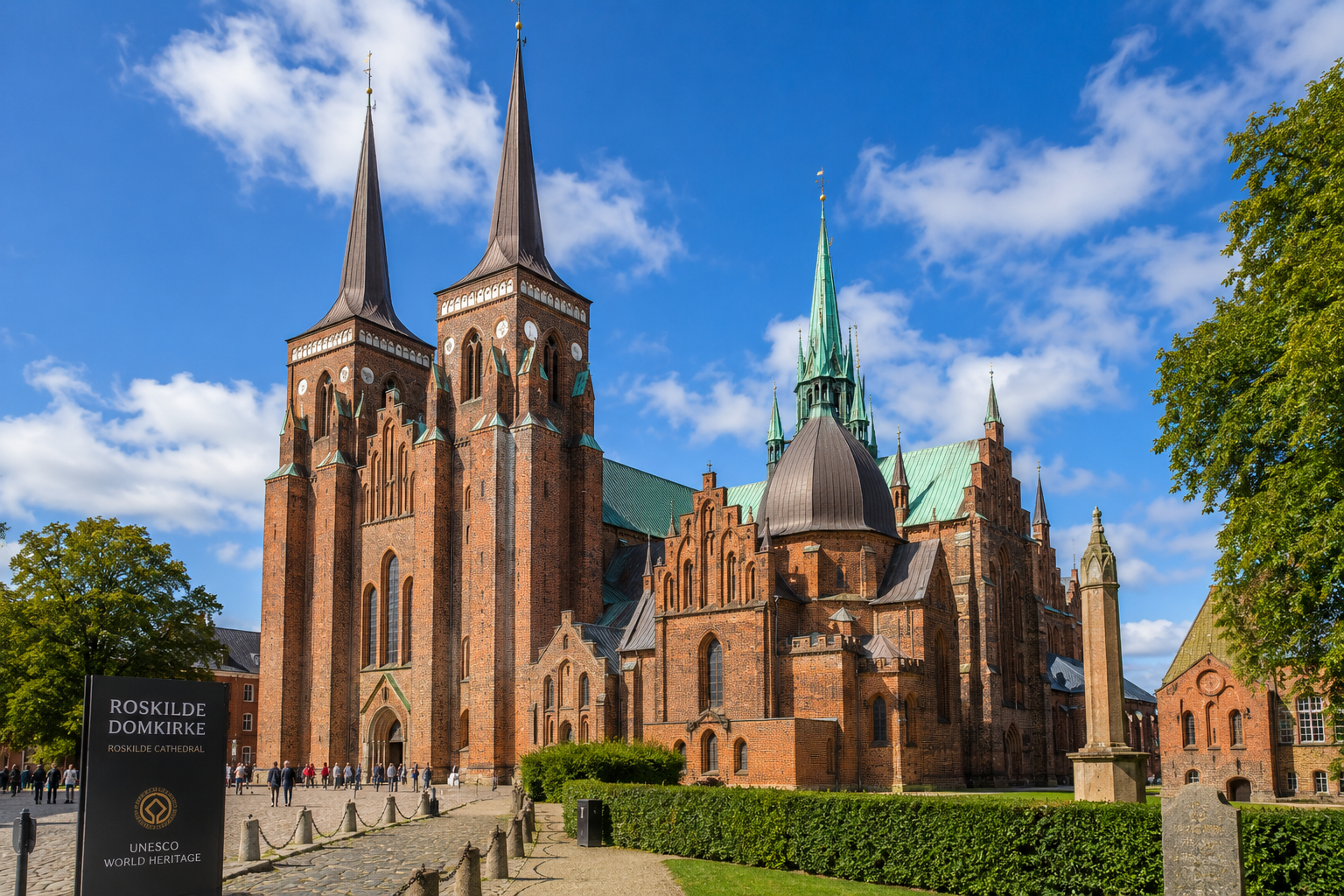
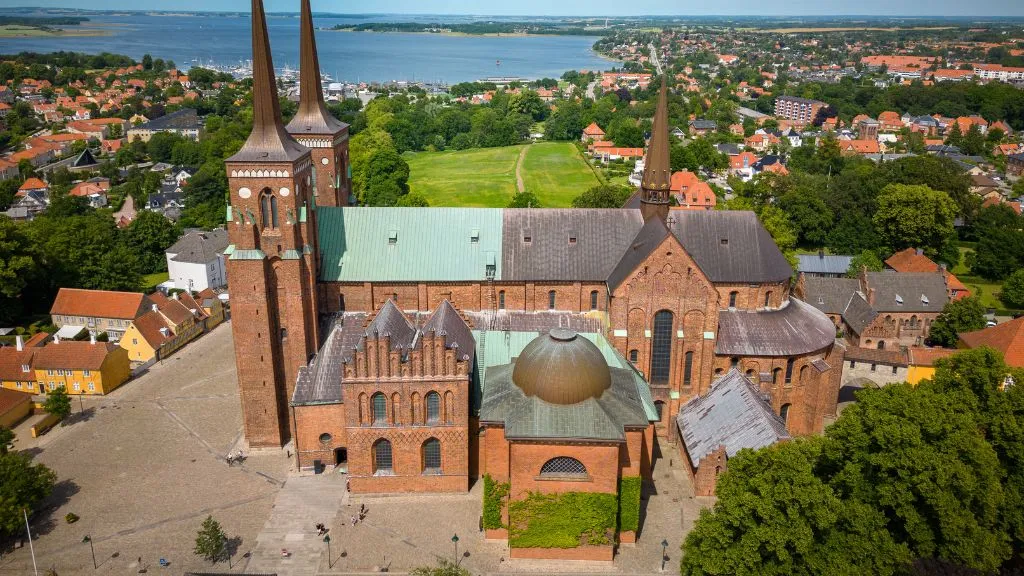
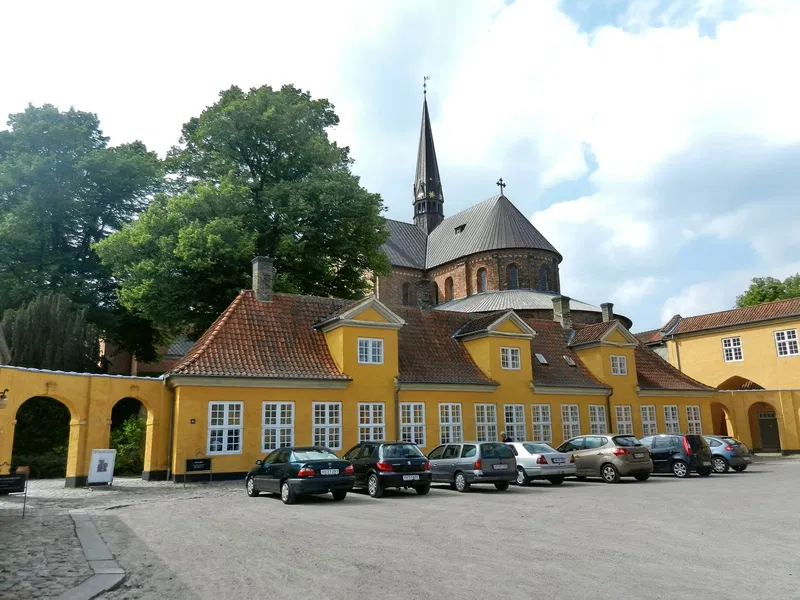
A UNESCO World Heritage site and burial place of Danish monarchs.
A scenic waterfront area adjacent to the museum site.
Local history exhibits housed in a historic building.
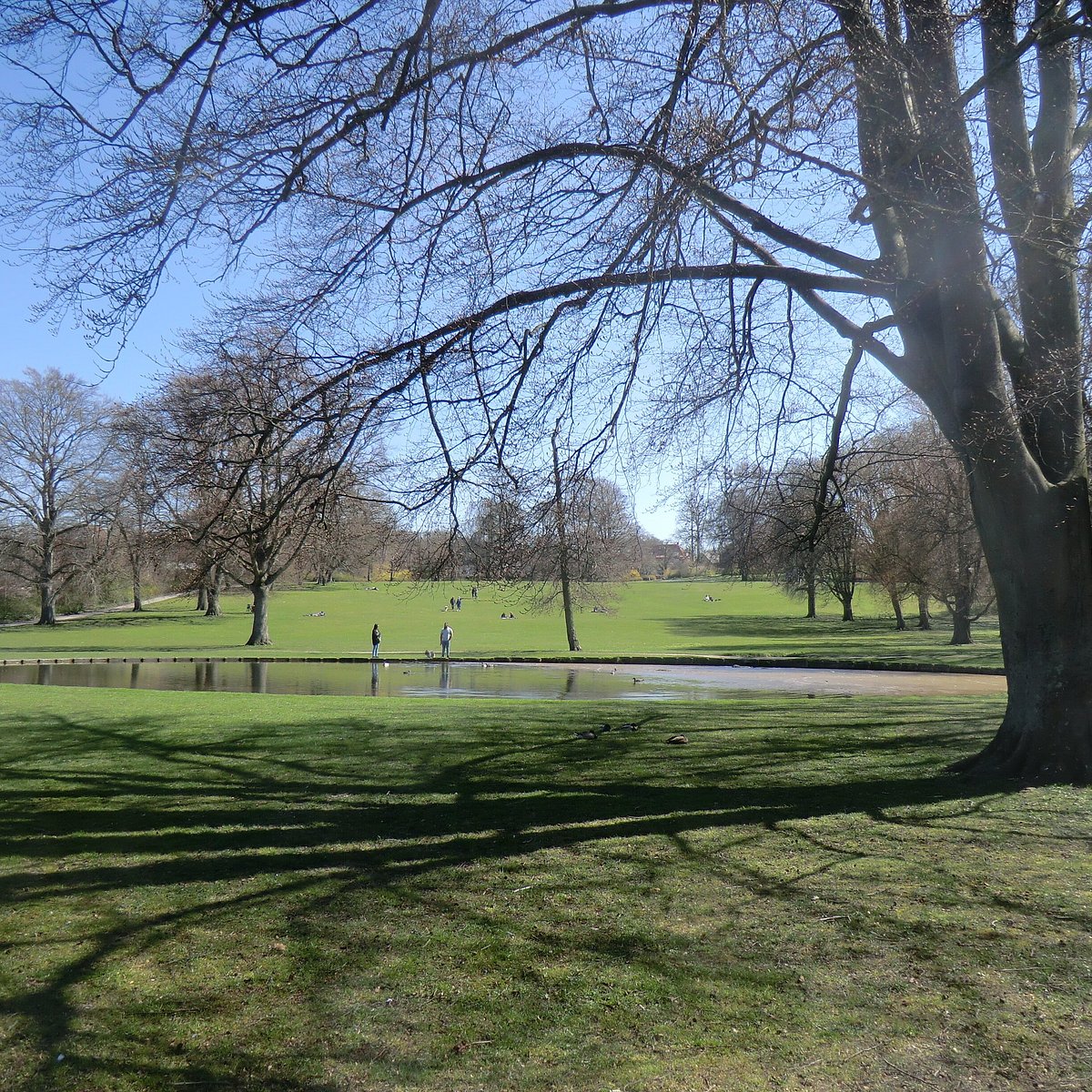
A lush green space perfect for a relaxing stroll after your visit.
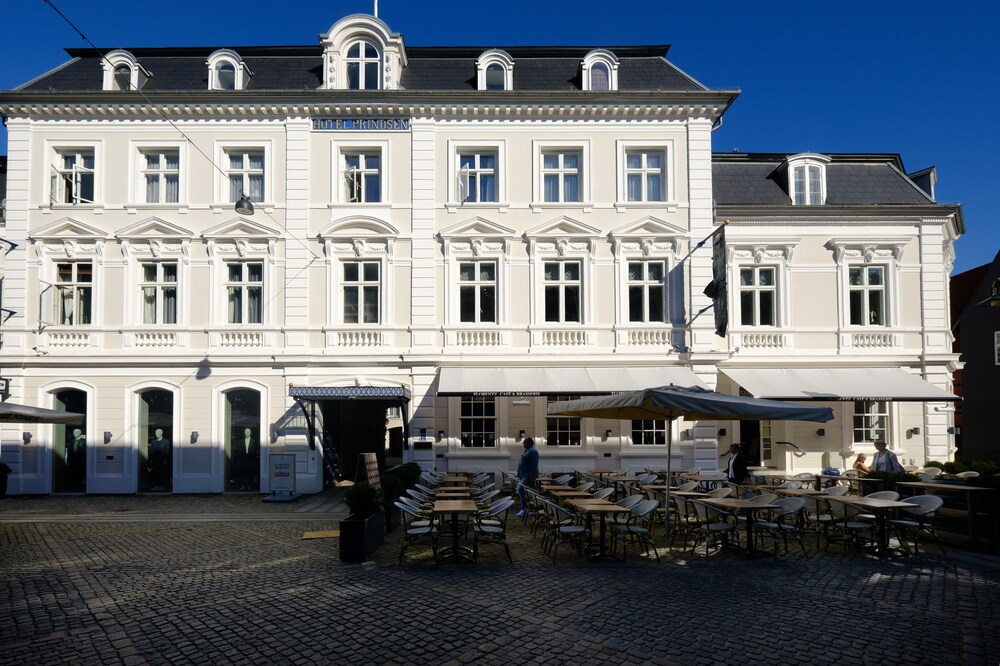
Historic hotel located in central Roskilde.
Modern lodging with convenient parking options.
General area for budget and boutique guesthouses.
Join thousands of happy travelers who have discovered this incredible experience
Book Your Experience Now